
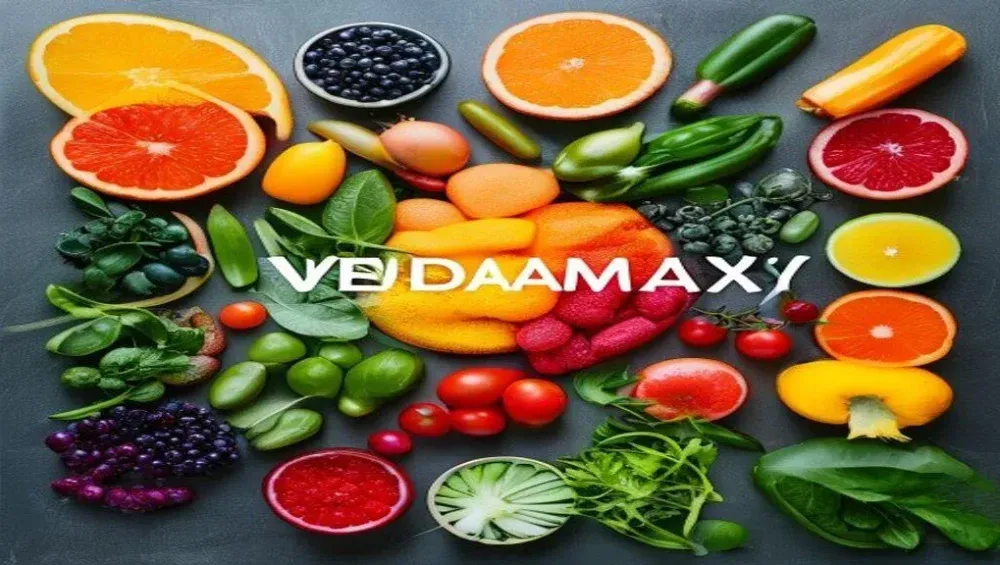
Imagine a world where chronic diseases like arthritis, diabetes, and cancer are a rarity. While this may seem like a utopian dream, research suggests that a key to unlocking this reality lies in understanding the intricate relationship between antioxidants and inflammation reduction. Chronic inflammation is a silent killer, responsible for a plethora of health issues that plague modern society. However, by harnessing the power of antioxidants, we can potentially mitigate this menace and pave the way for a healthier future. In this article, we will delve into the world of antioxidants, exploring their role in reducing inflammation and promoting overall well-being.
Understanding Antioxidants and Their Role in Inflammation Reduction
Antioxidants are molecules that neutralize free radicals, which are unstable molecules that can cause oxidative stress and inflammation in the body. This process is crucial, as chronic inflammation is a known precursor to various diseases. By incorporating antioxidants into our diet, we can potentially reduce the risk of developing these conditions. Expert consensus suggests that a diet rich in fruits, vegetables, and whole grains can provide adequate antioxidant intake. According to a study published in the Journal of Nutrition, a diet high in antioxidants can reduce inflammation and improve overall health outcomes.
Types of Antioxidants and Their Mechanisms of Action
There are several types of antioxidants, each with its unique mechanism of action. Some of the most common antioxidants include:
- Vitamin C: A water-soluble vitamin that neutralizes free radicals in the body
- Vitamin E: A fat-soluble vitamin that protects cell membranes from oxidative damage
- Polyphenols: A class of antioxidants found in plant-based foods, known for their potent anti-inflammatory properties
- Omega-3 fatty acids: A type of polyunsaturated fatty acid that reduces inflammation and promotes heart health
These antioxidants work synergistically to reduce inflammation and promote overall health. A study published in the Journal of Agricultural and Food Chemistry found that a combination of vitamins C and E, along with polyphenols, exhibited potent antioxidant activity.
The Science Behind Inflammation Reduction
Inflammation is a complex process that involves the interplay of various cellular and molecular mechanisms. When the body detects a foreign substance or injury, it triggers an inflammatory response to protect itself. However, chronic inflammation can lead to tissue damage and disease. Antioxidants play a crucial role in reducing inflammation by:
- Neutralizing free radicals: Antioxidants prevent the formation of reactive oxygen species (ROS), which are known to trigger inflammation
- Modulating inflammatory pathways: Antioxidants can influence the activity of pro-inflammatory enzymes and cytokines, reducing the overall inflammatory response
- Protecting cellular components: Antioxidants prevent oxidative damage to cellular components, such as DNA, proteins, and lipids, reducing the risk of chronic diseases
According to expert consensus, a diet rich in antioxidants can reduce the risk of chronic diseases by mitigating inflammation.
The Benefits of Antioxidant-Rich Foods
Antioxidant-rich foods offer numerous health benefits, including:
- Reduced risk of chronic diseases: Antioxidants can mitigate inflammation, reducing the risk of conditions like heart disease, cancer, and neurodegenerative disorders
- Improved cognitive function: Antioxidants can protect against oxidative stress and inflammation in the brain, promoting cognitive health
- Enhanced athletic performance: Antioxidants can reduce muscle damage and inflammation, improving exercise performance and recovery
- Healthier skin: Antioxidants can protect against oxidative stress and inflammation in the skin, reducing the signs of aging and promoting a radiant complexion
A study published in the Journal of Nutrition found that a diet rich in antioxidant-rich foods can improve overall health outcomes and reduce the risk of chronic diseases.
Key Takeaways
In conclusion, antioxidants play a vital role in reducing inflammation and promoting overall health. The key takeaways from this article are:
- Antioxidants neutralize free radicals, reducing oxidative stress and inflammation
- A diet rich in fruits, vegetables, and whole grains can provide adequate antioxidant intake
- Antioxidants can reduce the risk of chronic diseases, improve cognitive function, and enhance athletic performance
- A combination of antioxidants can exhibit potent anti-inflammatory activity
By incorporating antioxidant-rich foods into our diet and lifestyle, we can potentially mitigate the risks associated with chronic inflammation and promote overall well-being.
Frequently Asked Questions
Here are some frequently asked questions about antioxidants and inflammation reduction:
- Q: What are the best sources of antioxidants?
A: The best sources of antioxidants include fruits, vegetables, whole grains, nuts, and seeds. Some of the richest sources of antioxidants include berries, leafy greens, and other plant-based foods.
- Q: Can I get enough antioxidants from supplements?
A: While supplements can provide a boost of antioxidants, it is essential to consume a balanced diet that includes a variety of whole foods. Expert consensus suggests that a diet rich in whole foods can provide adequate antioxidant intake.
- Q: How can I reduce inflammation in my body?
A: Reducing inflammation in the body can be achieved through a combination of a balanced diet, regular exercise, and stress management. Antioxidants can also play a crucial role in mitigating inflammation.
- Q: What are the risks associated with chronic inflammation?
A: Chronic inflammation is associated with an increased risk of chronic diseases, including heart disease, cancer, and neurodegenerative disorders. It can also lead to tissue damage and organ dysfunction.
- Q: Can antioxidants help with exercise performance and recovery?
A: Yes, antioxidants can help reduce muscle damage and inflammation, improving exercise performance and recovery. A study published in the Journal of Strength and Conditioning Research found that antioxidants can enhance athletic performance and reduce oxidative stress.
By understanding the role of antioxidants in reducing inflammation, we can take the first step towards promoting overall health and well-being.
Conclusion
In conclusion, antioxidants play a vital role in reducing inflammation and promoting overall health. By incorporating antioxidant-rich foods into our diet and lifestyle, we can potentially mitigate the risks associated with chronic inflammation and promote overall well-being. At Vedamaxx Nutrition, we are committed to providing high-quality supplements that can support your health journey. Take the first step towards a healthier future by exploring our range of antioxidant-rich supplements and consulting with a healthcare professional. With the right combination of diet, lifestyle, and supplements, you can unlock the full potential of antioxidants and reduce inflammation for a healthier, happier you.

