
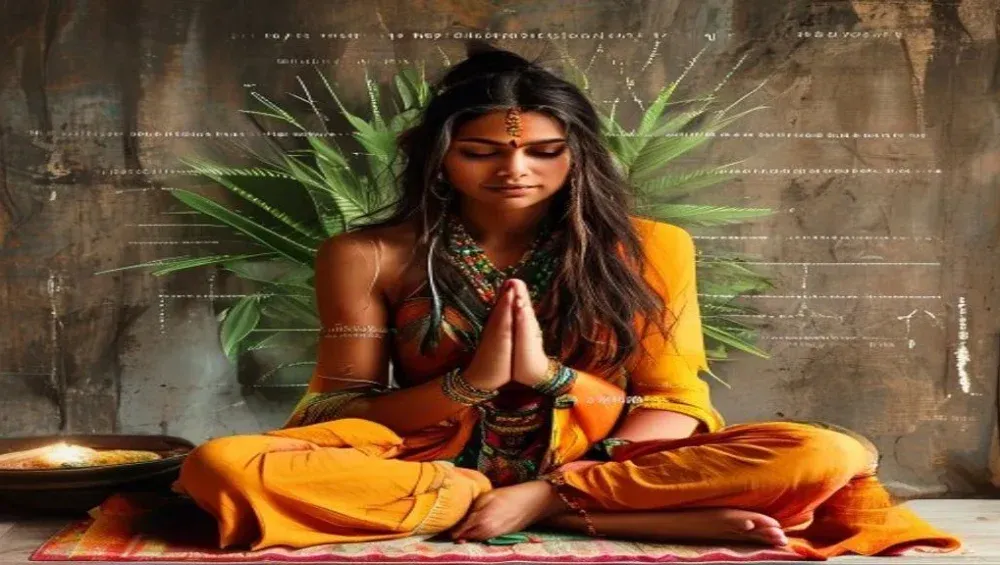
Stress and anxiety have become an integral part of modern life, affecting millions of people worldwide. The constant pressure to perform, coupled with the demands of daily life, can take a significant toll on both physical and mental health. According to the World Health Organization (WHO), anxiety and depression are among the leading causes of disability and disease worldwide. However, there is hope for those struggling with stress and anxiety. For centuries, Ayurveda, an ancient system of traditional medicine, has been providing effective solutions for managing stress and anxiety. In this article, we will delve into the world of Ayurvedic stress relief and explore the various techniques and strategies that can help you achieve a state of calm and well-being.
Ayurvedic Stress Relief: Understanding the Concept
Ayurveda is based on the concept that every individual is unique, with a distinct constitution and set of characteristics. This uniqueness is determined by the three doshas – Vata, Pitta, and Kapha – which are present in every individual in varying proportions. When the doshas are in balance, the body and mind function optimally, and stress and anxiety are minimized. However, when the doshas are out of balance, stress and anxiety can occur. Ayurvedic stress relief techniques aim to restore balance to the doshas and promote overall well-being.
The Role of Vata in Anxiety Management
Vata is the most susceptible to stress and anxiety, as it is responsible for the nervous system and the mind. An imbalance of Vata can lead to feelings of anxiety, fear, and uncertainty. To manage Vata and reduce anxiety, Ayurveda recommends a variety of techniques, including meditation, yoga, and pranayama. A study published in the Journal of Clinical Psychology found that mindfulness meditation, a technique that originated in Ayurveda, can significantly reduce symptoms of anxiety and depression.
Ayurvedic Techniques for Stress Relief
In addition to meditation and yoga, Ayurveda offers a range of other techniques for managing stress and anxiety. These include:
- Abhyanga: a massage technique that involves the use of warm oil to nourish and calm the body and mind
- Shirodhara: a technique that involves the pouring of warm oil onto the forehead to calm the mind and promote relaxation
- Rasayana: a range of herbal remedies that are designed to promote overall health and well-being
These techniques, when used in conjunction with a healthy diet and lifestyle, can be highly effective in reducing stress and anxiety.
Diet and Lifestyle for Anxiety Management
Diet and lifestyle play a crucial role in managing stress and anxiety. A diet that is high in processed foods, sugar, and caffeine can exacerbate stress and anxiety, while a diet that is rich in whole, nutrient-dense foods can help to calm the mind and body. Ayurveda recommends a diet that is tailored to an individual’s unique constitution and needs. According to Dr. Deepak Chopra, a leading expert in Ayurveda, “a healthy diet and lifestyle are essential for managing stress and anxiety.” Some tips for a stress-reducing diet and lifestyle include:
- Eating a balanced diet that includes plenty of fruits, vegetables, and whole grains
- Avoiding processed and sugary foods
- Getting regular exercise, such as yoga or walking
- Practicing stress-reducing techniques, such as meditation or deep breathing
- Getting enough sleep and maintaining a consistent sleep schedule
Herbal Remedies for Stress Relief
Ayurveda has a long history of using herbal remedies to promote health and well-being. Some herbs that are commonly used for stress relief include:
- Ashwagandha: an adaptogenic herb that helps the body to adapt to stress
- Brahmi: an herb that is known for its calming effects on the mind and body
- Tulsi: an herb that is known for its ability to reduce stress and anxiety
A study published in the Indian Journal of Psychological Medicine found that ashwagandha supplementation can significantly reduce symptoms of anxiety and stress.
The Benefits of Ayurvedic Stress Relief
Ayurvedic stress relief techniques offer a range of benefits, including:
- Reduced symptoms of anxiety and stress
- Improved mood and overall sense of well-being
- Enhanced cognitive function and focus
- Improved sleep quality
- Increased sense of calm and relaxation
By incorporating Ayurvedic stress relief techniques into your daily routine, you can experience these benefits for yourself and improve your overall health and well-being.
Key Takeaways
In conclusion, Ayurvedic stress relief techniques offer a natural and effective way to manage stress and anxiety. By understanding the concept of Ayurveda and incorporating techniques such as meditation, yoga, and herbal remedies into your daily routine, you can reduce symptoms of anxiety and stress and promote overall health and well-being. Some key takeaways from this article include:
- Ayurveda is a holistic system of traditional medicine that offers a range of techniques for managing stress and anxiety
- The three doshas – Vata, Pitta, and Kapha – play a crucial role in determining an individual’s susceptibility to stress and anxiety
- Ayurvedic techniques such as meditation, yoga, and abhyanga can be highly effective in reducing stress and anxiety
- Diet and lifestyle play a crucial role in managing stress and anxiety, and a balanced diet and regular exercise can help to promote overall health and well-being
Frequently Asked Questions
Here are some frequently asked questions about Ayurvedic stress relief:
- Q: What is Ayurveda?
A: Ayurveda is a holistic system of traditional medicine that originated in India over 3,000 years ago. It is based on the concept that every individual is unique, with a distinct constitution and set of characteristics.
- Q: How can I reduce stress and anxiety using Ayurveda?
A: There are a range of Ayurvedic techniques that can help to reduce stress and anxiety, including meditation, yoga, abhyanga, and herbal remedies. It is recommended to consult with an Ayurvedic practitioner to determine the best techniques for your individual needs.
- Q: What are the benefits of using Ayurvedic stress relief techniques?
A: The benefits of using Ayurvedic stress relief techniques include reduced symptoms of anxiety and stress, improved mood and overall sense of well-being, enhanced cognitive function and focus, and improved sleep quality.
- Q: Can I use Ayurvedic stress relief techniques in conjunction with other forms of therapy?
A: Yes, Ayurvedic stress relief techniques can be used in conjunction with other forms of therapy, such as cognitive-behavioral therapy or medication. However, it is recommended to consult with a healthcare professional before starting any new therapy or treatment.
- Q: How long does it take to see results from using Ayurvedic stress relief techniques?
A: The amount of time it takes to see results from using Ayurvedic stress relief techniques can vary depending on the individual and the techniques being used. Some people may experience immediate benefits, while others may take several weeks or months to notice a significant reduction in stress and anxiety.
Conclusion
In conclusion, Ayurvedic stress relief techniques offer a natural and effective way to manage stress and anxiety. By incorporating techniques such as meditation, yoga, and herbal remedies into your daily routine, you can reduce symptoms of anxiety and stress and promote overall health and well-being. At Vedamaxx Nutrition, we are committed to providing high-quality, Ayurvedic supplements and products that can help you to achieve optimal health and wellness. If you are interested in learning more about Ayurvedic stress relief techniques or would like to try our products, please visit our website or consult with one of our qualified healthcare professionals. With the right techniques and support, you can take control of your stress and anxiety and live a happier, healthier life.

